
The Ultimate Guide to the 3-way flow control valve and Modern Regulators
2026-05-29Managing fluids in heavy machinery is a highly essential task for modern manufacturing. Whether you build agricultural rigs or oversee massive industrial setups, routing oil effectively saves money. This article explains how specific routing devices operate. It is worth reading because mastering these hardware choices prevents breakdowns, lowers procurement costs, and keeps your industrial networks running smoothly. We will explore exactly how these robust items are manufactured, tested, and deployed across North America and Europe. As a factory owner based in China with seven dedicated production lines, I understand the unique challenges international buyers face. Procurement officers constantly balance tight budgets against the uncompromising need for top-tier quality. Our goal is to bridge that gap by providing transparent, highly detailed manufacturing insights that empower your purchasing decisions.
What Are the Basics of a three-way Mechanism?
A device of this exact category manages fluid paths intelligently. It takes incoming oil and routes it through multiple distinct channels simultaneously. Understanding this gear helps procurement officers make smart choices for their factory setups. I have personally seen many factories struggle immensely because they picked the wrong part for their equipment. Our production lines manufacture thousands of these precision units yearly, shipping them globally. By focusing on premium materials, we ensure each unit performs flawlessly.
Many buyers have shared their intense frustrations regarding inefficient communication with overseas vendors. They complain about delayed shipments and confusing product specifications. We eliminate these headaches by maintaining clear, highly responsive communication channels. We provide detailed CAD drawings and rigorous material test reports upfront. This transparency allows your engineering team to verify every dimension before mass production begins.
The internal architecture is quite simple yet incredibly effective. Oil enters through one opening and immediately splits. A precise internal spool governs exactly where the fluid goes next. This split ensures different parts of the machinery get exact amounts of oil at exactly the right moment. This precise splitting process keeps everything moving without sudden jerks or terrifying drops. Operators can easily oversee complex machinery sequences without fearing sudden mechanical failures. When you understand the basic mechanics, purchasing decisions become much easier.
How Does the Primary port Function?
Every fluid regulator has specific openings designed for intake and exhaust. The main gateway receives the rushing oil at extreme velocities. It must withstand immense force day after day. High-quality materials like brass or hardened steel prevent wear and tear at this gateway. We always test these entry points rigorously before packing them for export. Quality inspection is absolutely paramount when dealing with heavy machinery components.
If the gateway is poorly machined, microscopic leaks happen almost instantly. Leaks ruin efficiency and create dangerous slip hazards on factory floors. A strong entry gateway ensures the liquid enters smoothly without generating excess heat. A smooth entry means far less turbulence inside the housing block. Less turbulence translates directly into longer hardware lifespans. We utilize advanced CNC machines to guarantee every single thread and opening meets strict ISO standards.
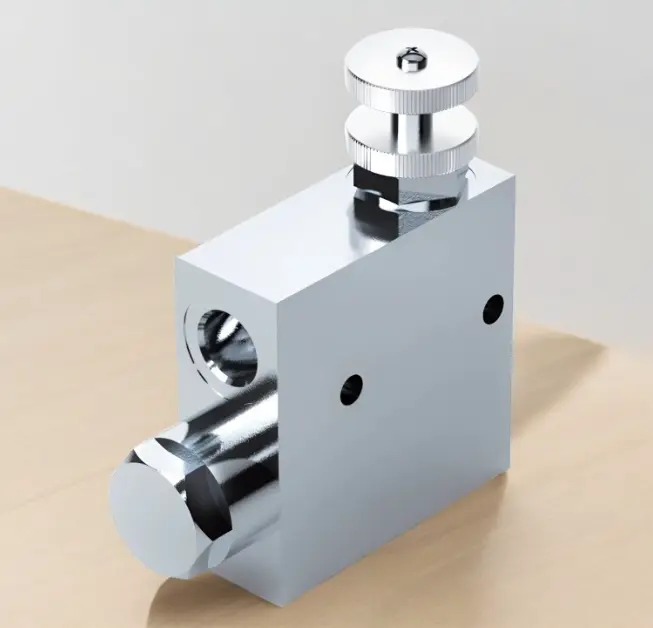
In our facility, we utilize state-of-the-art Japanese CNC machining centers. These machines cut raw metal blocks with microscopic precision. Every thread is measured using laser-guided optical comparators. We do this because a single flawed thread ruins the entire component. Our dedicated quality assurance team signs off on every batch. If a batch fails our rigorous testing, it goes straight into the recycling bin. We refuse to compromise on quality because we know your reputation depends on our reliability.
Why Do Buyers Trust control valves?
Modern buyers absolutely need reliability in their supply chains. These control valves provide exactly that peace of mind. Procurement officers constantly look for sturdy construction alongside proven historical performance. They want items that govern oil perfectly without constant recalibration. When you install premium hardware, daily maintenance drops significantly. This reliability is exactly why leading engineers prefer tested, certified flow regulator mechanisms for their most demanding projects.
My factory ships containers to North America and Australia weekly. Customers constantly praise the amazing durability of our hydraulic products. They know definitively that good hardware prevents terribly expensive downtime. Investing in quality upfront always pays off in the long run. We often meet clients at international exhibitions who share horror stories about cheap components failing unexpectedly. Those stories reinforce our commitment to using only the finest raw materials available.
Furthermore, we handle all the complex logistics involved in global shipping. We ensure your crates arrive perfectly intact, completely avoiding the moisture damage that often plagues ocean freight. We treat every order as a partnership. We want your manufacturing firm to succeed because your success drives our continuous growth.
Can These Units divert Fluids Safely?
Redirecting oil is fundamentally dangerous if done poorly or too quickly. Sudden shifts create massive shockwaves within the pipes. These shockwaves crack solid metal and blow rubber seals instantly. High-quality regulators like a specific valve shift the oil gently over a fraction of a second. This gentle shifting protects the entire infrastructure from catastrophic fatigue. For demanding setups, buyers often seek heavy-duty steel diverters to handle extreme conditions safely.
Safety always comes first in any industrial setting. Workers rely heavily on machinery behaving predictably every single time they pull a lever. When you split fluid paths properly, machines operate quietly and securely. This predictability is precisely why top-tier hardware matters so much. A well-designed routing block absorbs the kinetic energy of moving oil safely. We spend countless hours simulating these shifts in our testing labs to ensure zero failures in the field.
Our testing protocols push the hardware far beyond standard operational limits. We simulate years of harsh weather, extreme vibrations, and corrosive environments within mere weeks. By destroying prototypes in the lab, we guarantee absolute perfection on the assembly line. This rigorous scientific approach eliminates guesswork entirely from the manufacturing process.
What is the Best application for This Gear?
Different tasks logically require entirely different tools. You might build massive tractors or assemble delicate factory presses. Each unique use-case demands highly specific specifications and tolerances. Agricultural gear needs absolute dirt resistance and weatherproofing. Factory presses need extreme force tolerance and microscopic precision. Choosing the correct type ensures optimal performance regardless of the environment.
We collaborate very closely with brilliant engineers worldwide. They tell us exactly what their machinery must accomplish safely. Then, we recommend the perfect hardware configuration for their specific needs. This close partnership guarantees the machinery works flawlessly under three different environmental conditions: extreme heat, freezing cold, and intense vibration. Customization is often necessary, and our seven production lines adapt quickly to special requests.
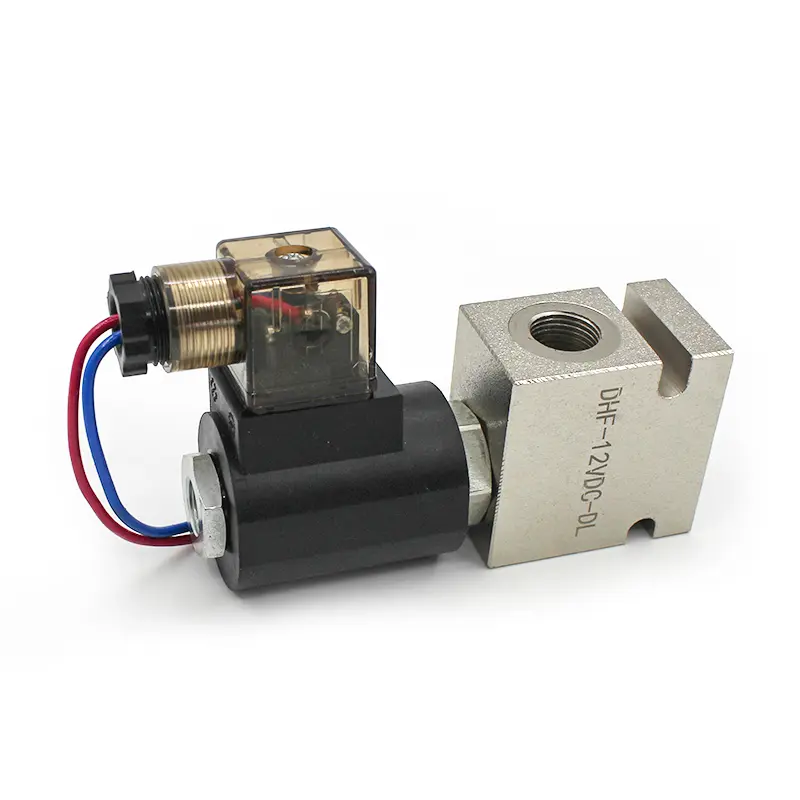
Whether you require specialized anti-corrosion coatings for marine environments or hardened internal components for abrasive mining operations, our engineering team adapts swiftly to your exact requirements. We pride ourselves on turning complex engineering blueprints into tangible, perfectly functioning metal reality.
How Does the inlet Route Resources?
The starting point of fluid travel determines everything that happens downstream. Oil rushes into this opening rapidly, carrying immense kinetic energy. The internal geometry must handle this incoming flow rate elegantly and efficiently. If the geometry is flawed or rough, energy is wasted instantly as heat. Heat degrades oil fast, turning it into a useless sludge.
Engineers spend hundreds of hours optimizing this specific entry pathway. A well-designed entry keeps the oil pleasantly cool even during heavy operations. Cool oil lubricates moving parts much better and extends the life of expensive pumps and motors. Efficiency begins exactly at this starting line. We polish our internal passages to a mirror finish to eliminate any microscopic friction points. This meticulous attention to detail separates premium products from cheap imitations.
We also utilize advanced software to map the exact velocity of the oil as it enters the housing block. By analyzing fluid dynamics digitally, we eliminate turbulence before the metal is even cut. This modern approach to manufacturing drastically elevates the performance baseline of standard industrial equipment.
Where Does the Main outlet Lead?
After the oil successfully does its assigned job, it must exit the mechanism. The exit pathway carries the oil back towards the reservoir. This returning oil is often quite warm and moving exceptionally fast. The exit opening must be wide enough to completely prevent restrictive bottlenecks. Bottlenecks choke the entire system, causing sluggish performance and overheating.
A completely smooth exit ensures the pump does not work too hard. Less strain on the main pump means significantly lower electricity bills for the factory owner. Smart routing saves energy constantly throughout the circuit. These seemingly small efficiency gains add up to massive financial savings annually. For complex routing needs, engineers often implement direct acting sequence regulators to ensure everything exits in perfect harmony.
Furthermore, lower energy consumption dramatically reduces the carbon footprint of your manufacturing facility. Modern businesses care deeply about sustainability. Choosing highly efficient components allows you to meet strict environmental regulations without sacrificing raw power.
Managing the Correct direction of Fluids
Moving oil the wrong way invariably causes terrible catastrophes. Massive cylinders might retract suddenly when they should actually extend. Such catastrophic errors ruin expensive products and seriously endanger lives. A dedicated valve guarantees oil only goes exactly where intended. Strict adherence to proper orientation is non-negotiable for operator safety.
Internal spools shift back and forth continuously. They uncover different pathways depending entirely on the operator’s control command. This purely mechanical shifting is incredibly reliable over decades of use. You can trust it to perform perfectly millions of times without hesitation. We use hardened steel for these internal spools to ensure they never wear down, even under constant, rigorous daily operations.
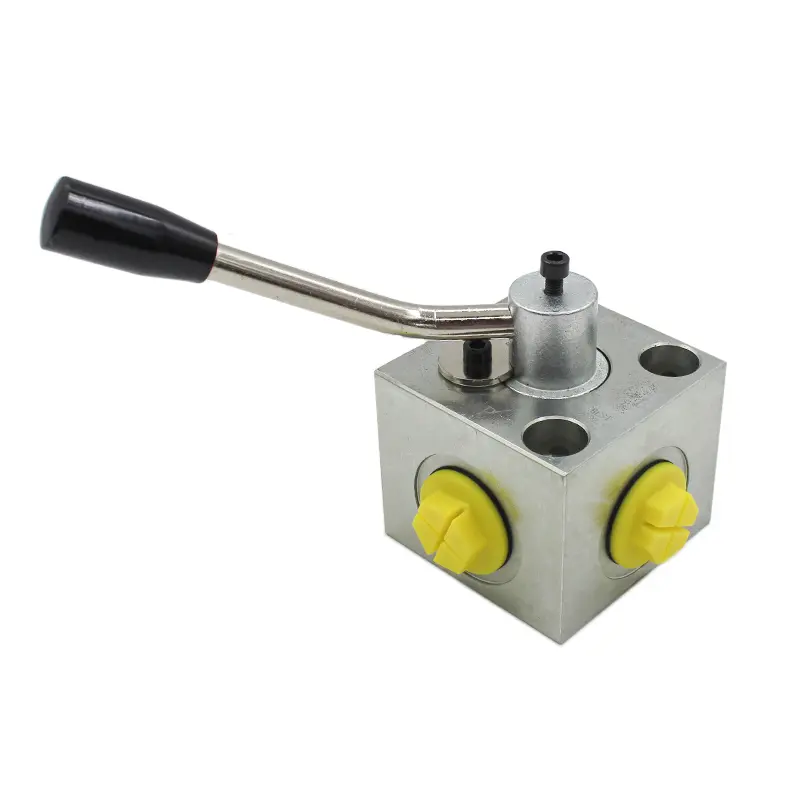
We subject these internal spools to rigorous salt-spray tests to guarantee supreme rust prevention. Rust causes internal sticking, which destroys predictability. By investing heavily in premium surface treatments, we ensure your machinery answers every command instantly, smoothly, and safely.
How to Handle excess Fluid Safely?
Sometimes powerful pumps push significantly more oil than currently needed. This extra oil must immediately go somewhere safe and unpressurized. If trapped securely, it bursts thick steel pipes like balloons. Good regulators bypass this extra oil smoothly back to the tank. This bypassing action is incredibly important for maintaining stable operations.
This brilliant bypassing action acts as an invisible safety net. It prevents dangerous pressure explosions and incredibly costly environmental cleanups. Every industrial setup must have this safety feature built-in by design. It is a completely non-negotiable aspect of mechanical engineering. We frequently advise our clients to over-engineer their safety nets to account for unexpected power surges. For environments requiring electronic shifting, electronic fluid shifting devices provide excellent modern alternatives.
We strongly believe that investing heavily in robust safety measures is the smartest financial decision a company owner can make. One prevented accident pays for the component a thousand times over.
What Defines a High-Quality actuator?
The heavy mover relies completely on the fluid it receives from upstream. If it gets the wrong amount, it stutters and shakes violently. Smooth fluid delivery makes the mover glide perfectly along its track. This smooth gliding creates highly precise manufacturing results even under heavy load. Precision is what modern manufacturers pay top dollar for.
We test our export products against incredibly massive weights. They must hold perfectly steady without slipping even a millimeter. Customers demand this absolute stability for their heavy machinery. We deliver it consistently across our entire product range by using premium steel and strict quality checks. ISO certifications prove our dedication to producing world-class components that never fail under stress.
Additionally, we provide comprehensive documentation with every shipment, ensuring you always have the necessary paperwork for your own domestic compliance audits. We believe that proper documentation is just as important as proper machining.
Finding the Right connection for Your Setup
Precise threads and thick flanges join everything together securely. A loose joining immediately causes incredibly messy leaks. Finding the exact thread match is critical for a perfectly secure seal. Different countries use completely different threading standards, which often confuses new procurement officers.
We offer numerous joining standards directly from our factory. From American NPT to European BSPP, we expertly cover all global requirements. This flexibility helps international buyers integrate our flow control components easily into their existing machinery. Clear communication during the quoting process ensures you receive the exact thread pitch required for your specific build. We pride ourselves on fast, accurate responses to all technical inquiries. We understand that your assembly line cannot wait for slow email replies.
Why Upgrading Matters
When managing heavy machinery, incorporating a robust 3-way mechanism totally transforms operational efficiency. Many successful factories eventually upgrade to modern way control valves to achieve much better precision. Inside these advanced units, a brilliant internal pressure compensator adjusts automatically to changing weights. It perfectly balances the force differential effortlessly. This ensures the machinery maintains a steady flow rate at all times.
Key Takeaways to Remember
- Always verify thread sizes before finalizing procurement orders to avoid installation delays.
- Premium materials like hardened steel prevent catastrophic breakdowns in severe environments.
- Smooth internal pathways significantly reduce heat generation and save massive amounts of electricity.
- Safety bypass features are strictly mandatory to protect both workers and expensive factory infrastructure.
- Partnering with an experienced, globally certified manufacturer ensures you get the exact specifications required for your unique build.