
Selecting the Right Hydraulic Check Valve for Your Hydraulic System: A Guide to Proper Selection
2025-12-30Imagine a busy city street where traffic is only allowed to move in one direction. If a car tries to go the wrong way, chaos ensues, and accidents happen. In the complex world of industrial machinery, a hydraulic system works much the same way. The fluid needs to move precisely where it is supposed to go, and it must never flow backward when it isn't supposed to. The traffic cop in this scenario is the hydraulic check valve. While it might seem like a small and simple component compared to massive pumps or cylinders, selecting the right check valve is the difference between a smooth operation and a costly breakdown.
Every hydraulic system relies on these unsung heroes to maintain pressure, prevent backflow, and ensure safety. Whether you are building a new piece of equipment or replacing a worn-out part, valve selection is a critical step. It requires looking beyond just the size of the port. You must understand the specific demands of your machinery to choose a valve that ensures optimal performance and safety. This guide will walk you through the essentials of selecting hydraulic check valves, helping you make informed decisions that protect your investment.
Understanding Hydraulic Check Valves and How They Work
At its core, a hydraulic check valve is the simplest form of directional control. Its primary job is to allow fluid flow in one direction and block flow in the opposite direction. Think of it as a swinging door that only pushes open one way. When the oil flows forward, the pressure pushes the internal mechanism open, allowing passage. If the flow is reversed, the fluid pressure—often assisted by a spring—pushes the mechanism shut, sealing the valve tight.
These valves are essential because fluids in a hydraulic system are always under pressure and looking for the path of least resistance. Without a proper check valve, gravity could cause a lifted load to drop, or pressure could feed back into a pump and destroy it. The operation of hydraulic circuits depends on these valves to hold loads in place and protect sensitive components.
Most check valves are designed to be passive; they don't require an external signal to work. They react solely to the hydraulic pressure within the line. This simplicity is their strength, providing high reliability. However, despite their simplicity, the check valve design can vary significantly depending on the application. Understanding these nuances is the first step in selecting the right valve.
The Different Valve Types and Their Unique Requirements
When you look at a catalog for hydraulic components, you will see several valve types. While they all stop reverse flow, the internal mechanics differ. The most common type is the ball check valve. It uses a simple ball that sits against a seat. It is rugged, cheap, and effective for many standard applications. However, for higher pressure or more demanding leaks requirements, a piston or poppet style valve might be better.
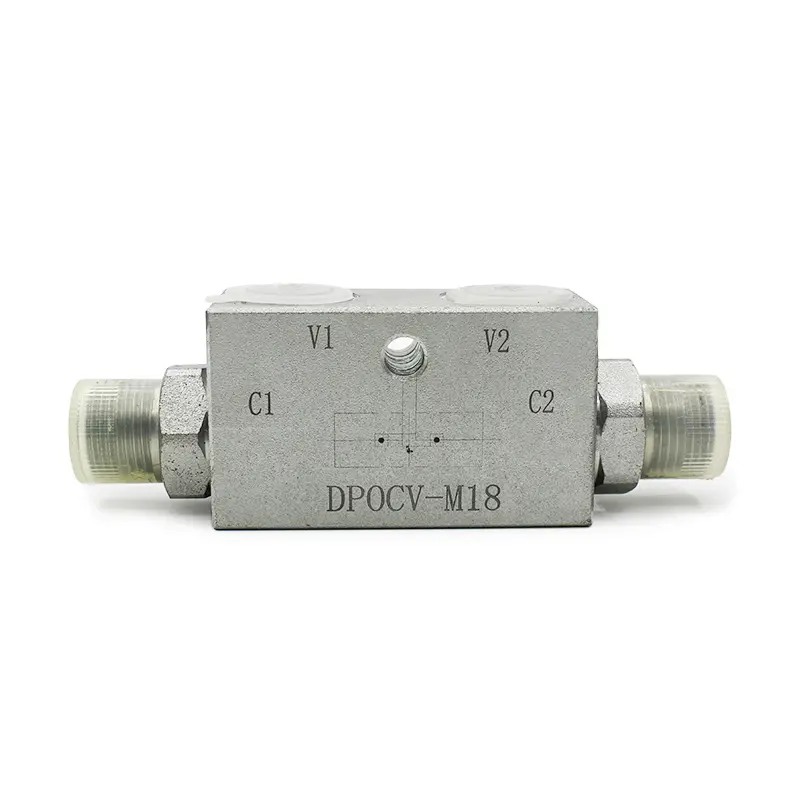
A piston check valve uses a machined plunger or poppet. These often provide a better seal than a ball and are more robust against high-pressure shocks. For systems that need to occasionally allow reverse flow—like lowering a crane boom—you need a pilot-operated hydraulic check valve. These valves allow flow in one direction, but can be pushed open by an external pilot signal to allow flow in the reverse direction when needed.
For complex machinery, you might need Double Pilot Operated Check Valves. These are used to lock a cylinder in place, ensuring it doesn't drift until you actively decide to move it. Understanding the type of check valve your system needs is fundamental. A simple ball valve won't work where a pilot-operated valve is required. Each valve choice has unique requirements regarding installation and operation.
Factors to Consider When Selecting Hydraulic Check Valves
Selecting hydraulic components is not a guessing game. To ensure longevity and reliability, you must evaluate several key factors to consider. The first is the cracking pressure. This is the minimum upstream pressure required to open the valve. If the spring is too stiff, your pump wastes energy just pushing the valve open. If it is too weak, the valve might not close quickly enough to prevent shock.
Another major factor is the seal material. The valve material must be compatible with the hydraulic fluid you are using. Standard Buna-N seals work for most mineral oils, but if your hydraulic system uses synthetic or fire-resistant fluids, you might need Viton or EPDM seals. Material compatibility prevents the seals from swelling or disintegrating, which would cause the valve to leak.
You also need to consider the physical size and port connections. The valve must fit physically within the hydraulic system. Whether it is an inline valve or a cartridge type that screws into a manifold, the form factor is crucial. Proper selection involves matching the physical attributes of the valve to the system requirements.
Evaluating Flow Rate and System Performance
One of the most common mistakes in valve selection is ignoring the flow rate. Every hydraulic valve is rated for a specific maximum flow. If you push too much fluid through a small valve, you create a restriction. This causes a pressure drop, generates heat, and wastes energy. It can also cause the valve to chatter or vibrate, leading to premature failure.
For high-flow applications, you need a valve with large internal passages. The flow rate capability of the check valve should match or exceed the maximum output of your pump or the requirements of your actuator. When the valve is properly sized, the oil flows smoothly with minimal resistance. This contributes to better overall system performance.
Conversely, utilizing a massive valve for a trickle of flow can sometimes make the valve unstable. It’s about finding the balance. You want to ensure optimal efficiency. By carefully calculating the flow hydraulic fluid needs to travel at, you can choose a valve that facilitates efficient operation without becoming a bottleneck.
Pressure Rating and Handling Pressure Spikes
Hydraulic pressure is the force that gives your machinery its power, but it is also a destructive force if not managed. Every check valve has a maximum pressure rating. This is the highest steady pressure the valve can withstand without bursting or leaking. However, many systems experience pressure spikes—sudden jolts of pressure that happen when a cylinder stops abruptly or a load shifts.
These spikes can be significantly higher than the normal operating pressure. If your valve isn't rated to handle these surges, the housing could crack, or the internal components could shatter. This is essentially a "water hammer" effect in oil. A robust hydraulic check valve is built to absorb these shocks.
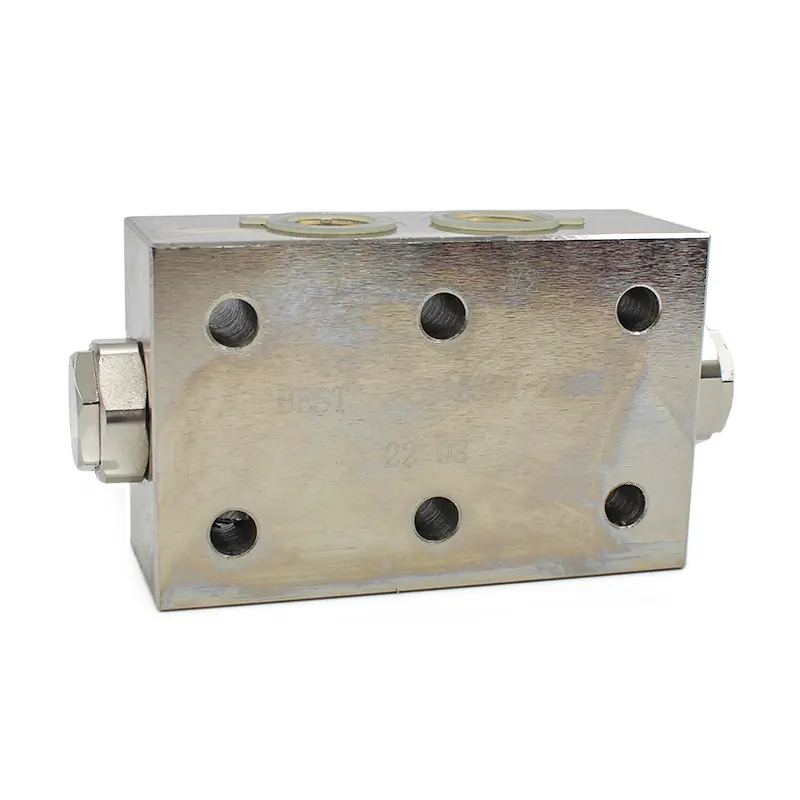
When selecting the right valve, always look at the burst pressure rating in addition to the operating pressure. It provides a safety margin. For critical safety functions, such as holding a heavy load aloft, using high-quality F42 Dual Pilot Operating Check Valve components ensures that the valve remains intact even under extreme stress. Proper check valves are your safety net against pressure spikes.
Compatibility and Operating Conditions
The operating environment plays a huge role in valve selection. Is your machine working in a freezer, a foundry, or a marine environment? Temperature extremes affect both the metal of the valve body and the rubber of the seals. In extreme cold, seals can become brittle and crack. In high heat, the oil thins out, and seals can degrade.
Corrosion is another enemy. If your hydraulic system is exposed to salt water or harsh chemicals, a standard steel valve will rust shut. In these cases, you might need a stainless steel valve or one with a special plating. Compatibility extends beyond just the fluid; it includes the external environment.
Check valves are essential components that must survive wherever the machine goes. If you are designing mobile equipment for construction, the valve must handle vibration, dirt, and mud. Selecting hydraulic check valves that are sealed against contaminants and built ruggedly ensures a long service life. Ignoring the operating conditions is a recipe for frequent downtime.
Why Proper Selection Ensures Longevity and Reduces Costs
It might be tempting to buy the cheapest valve available to save money upfront. However, this is often a false economy. A low-quality valve or the wrong type of check valve for the application will wear out faster. When a valve fails, your machine stops. The cost of downtime—lost production, paying idle workers, missed deadlines—is far higher than the price difference between a cheap valve and the right valve.
Proper selection leads to longevity. A well-chosen hydraulic valve operates happily within its limits for years. It reduces maintenance costs because you aren't constantly replacing parts. Furthermore, an efficient valve reduces heat generation, which extends the life of your oil and your pumps.
Investing time in the selection of valves pays dividends in overall efficiency. You get a machine that runs smoother, safer, and cheaper in the long run. By prioritizing quality components like Direct Acting Sequence Valves or robust check valves, you are building reliability into the DNA of your machinery.
Choosing the Right Hydraulic Check Valve for Mobile Equipment
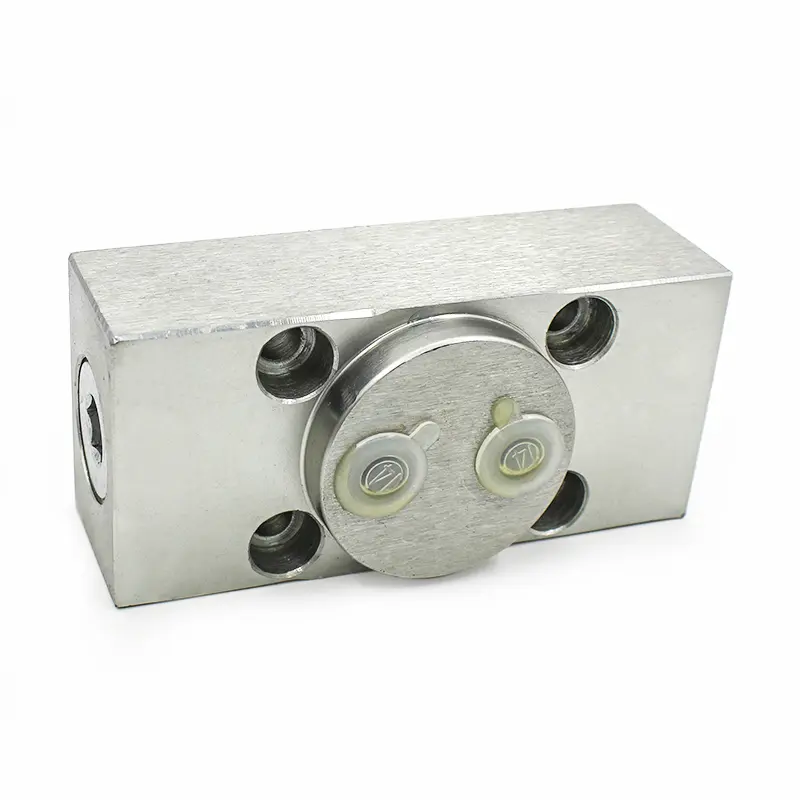
Mobile equipment like excavators, cranes, and loaders have specific needs. Space is often tight, and every ounce of weight matters. In these applications, cartridge valves are very popular. These valves screw directly into a cavity in a manifold block or a cylinder port. They save space and reduce the number of potential leak points.
For these machines, load holding is critical. If a hose bursts, you don't want the boom to fall. A load-holding hydraulic check valve mounted directly to the cylinder port is a safety requirement. These valves are essential for preventing catastrophic accidents.
Also, mobile systems often use control valves with complex spools. Integrating check valves into the control valves or using stackable modules allows for a compact and clean design. Selecting hydraulic solutions that integrate well with the rest of the mobile equipment architecture is key to a successful design.
Conclusion: Making Informed Decisions
Valve selection is not just about picking a part number from a catalog. It is about understanding the hydraulic system as a whole. You need to consider the flow rate, pressure rating, compatibility, and the specific valve types that suit your operational needs. Whether you need a simple inline check to protect a pump or a sophisticated pilot-operated valve for a cylinder, the principles remain the same.
By taking the time to evaluate your system's needs and make informed decisions, you ensure operational efficiency and safety. The right check valve acts as a silent guardian, directing power where it is needed and blocking it where it isn't. It prevents backflow, protects against pressure spikes, and ensures your machinery performs at its best.
Remember, the goal is optimizing system performance while keeping operational costs low. This is achieved by selecting the right valve the first time. Whether you are looking for standard check valves or specialized Single in Line Counterbalance Valve solutions, focusing on quality and specification match will always steer you in the right direction. Don't let a small valve become a big problem; choose wisely and keep your hydraulic system flowing smoothly.
Key Takeaways for Valve Selection
- Function: A hydraulic check valve allows flow in one direction and blocks reverse flow.
- Types: Understand the difference between ball, piston, and pilot-operated valve types.
- Pressure: Ensure the pressure rating can handle your system's maximum pressure and any pressure spikes.
- Flow: Match the flow rate capacity of the valve to your system to prevent overheating and inefficiency.
- Environment: Check material compatibility and environmental resistance to prevent corrosion and seal failure.
- Value: Proper selection reduces downtime and maintenance costs, ensuring longevity.