Master the Hydraulic Flow Divider Combiner Valve: 6 Port Solutions from Inlet to Outlet
2026-06-27"Precision in liquid management is the difference between a profitable operation and endless maintenance costs."
Running a machinery setup without proper liquid splitting is a recipe for absolute disaster on the factory floor. Have you ever stood next to a massive piece of earth-moving equipment and wondered how a single power generator manages to lift, tilt, and steer all at once? The secret lies in incredibly precise liquid-power control. This article is worth reading because it breaks down the mystery of how to split and merge fluid power effectively. You will learn to optimize your machines, cut maintenance overhead, and keep your demanding clients completely satisfied. Let’s dive deep into the mechanics of liquid direction.
What is a gpm rating, and why does it matter for a pump?
When you turn on an industrial machine, the primary power generator begins to push liquid through thick rubber hoses. The speed and volume of this liquid are measured in gpm (gallons per minute). It is the absolute lifeblood of the entire circuit. If your main pump pushes too much liquid volume, hoses can suddenly burst under the extreme stress, causing massive environmental spills and dangerous accidents. If it pushes too little, the machine runs sluggishly, frustrating operators who need to meet strict production deadlines.
Think of this power source as the heart of a giant steel beast. Every single component connected downstream relies completely on a steady, predictable heartbeat. A simple machine, like a small workshop press, might only need a low volume of liquid to function perfectly day after day. However, heavy equipment demands massive liquid capacity to move their giant iron arms. You have to meticulously match the source capacity to the exact job required, ensuring that you never starve the machine of the energy it needs to perform.
How does a 10 gpm flow divider improve your medium application?
Sometimes, one power source needs to run two separate lifting cylinders at the exact same speed, regardless of the weight resting on them. This is where a precision flow divider shines brightly. It takes the incoming rushing liquid and splits it accurately, ensuring perfect mechanical synchronization. For instance, if you have a 10 gpm source, the dividing block can send exactly half the capacity to one side and the remaining half to the other side without using electronics.
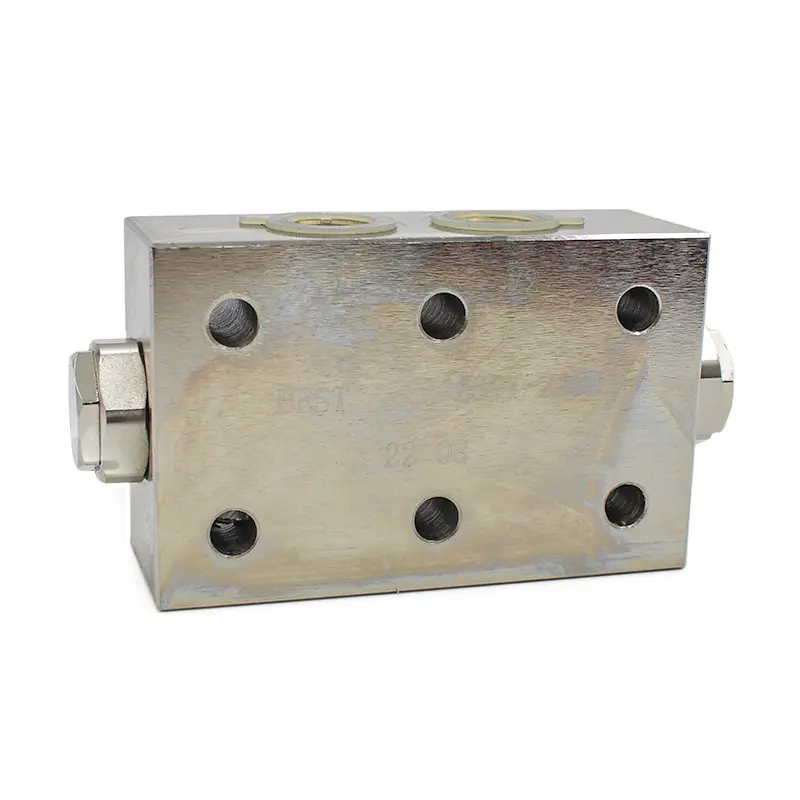
This mechanical perfection is absolutely crucial for a lifting application like a scissor lift or a loading dock platform. If the platform lifts unevenly because one cylinder receives more liquid than the other, it will jam tightly or drop the expensive cargo onto the concrete floor. We use these precise tools to divide the liquid energy evenly, ensuring smooth, balanced lifting every single time. If you want to see a great example of this technology in action, check out this robust 2 Ways Steel Flow Divider. It is a fantastic part for keeping heavy industrial lifts perfectly level under varying loads.
Why must you check the psi limit before choosing a port?
While liquid volume measures the speed of the machine, psi (pounds per square inch) measures the brute force. It is the raw muscle behind the lifting movement. Every single port on your equipment has a strict, metallurgically tested physical limit. If you exceed this bursting limit, you will instantly blow rubber seals or completely crack the heavy iron housing, turning your machine into an expensive paperweight.
You always need to know the exact pressure rating before turning a wrench. Never guess when it comes to liquid-power forces. A single mathematical mistake here can instantly destroy a very expensive part and halt your entire assembly line. Always verify the engineering specifications thoroughly before you screw the high-stress hoses into the port. A strong, calculated safety margin keeps everyone secure on the factory floor, ensuring that operators can do their jobs safely.
How does a pump handle intense pressure spikes?
Yes, a standard pump can handle intense, high force under normal operating conditions, but it desperately needs a mechanical safety net. Statistics show that 70% of unexpected breakdowns occur because a system lacks proper overload protection. Imagine if a bulldozer blade jams against an immovable underground boulder; the force spikes instantly because the liquid keeps pushing, but the blade cannot move. Without a safety gate to release this trapped energy, the power generator would literally rip itself apart from the inside out.
A smart builder always includes a safety valve to prevent this catastrophe. This device acts as an automatic, protective shield for the entire circuit. When the force hits the 3000 psi maximum, the safety gate springs open in a fraction of a second and dumps the pressurized liquid safely back to the holding tank. It is a very small cost to pay upfront to prevent total machine failure and weeks of terrible downtime. You can learn more about these brilliant safety guards from a Professional Hydraulic Relief Valve Supplier.
How do you calculate gpm for each section of the dividing block?
Splitting liquid isn’t always just about cutting it neatly in half. Some complex industrial tools have a section for the left moving arm, a section for the right clamping arm, and another section for the heavy steering mechanism. If a dividing block has four segments, you must carefully calculate the flow for each individual section to ensure no single function is starved of power.
Let’s say you have a 20 gpm source. The accuracy of this mathematical balance dictates exactly how well the machine operates in the muddy, unforgiving field. If the math is wrong, the machine will feel incredibly jerky and unpredictable to the operator. Here is a simplified breakdown of how you might route that capacity:
| Section Number | Required Volume | Output Function |
|---|---|---|
| First Section | 8 liquid units | Left Lifting Arm |
| Second Section | 8 liquid units | Right Lifting Arm |
| Last Section | 4 liquid units | Auxiliary Steering |
What happens when psi spikes at the outlet?
Stress doesn’t just spike at the beginning of the line near the power source. Sometimes, the physical load shifts suddenly and causes a huge spike right at the outlet connection. If the trapped fluid has nowhere to go, it acts exactly like a solid steel bar, transferring destructive shockwaves backward through the delicate network of metal lines.
This invisible shockwave travels back to every section of the machine, hammering against internal seals and cast-iron walls. To stop this destruction, clever engineers design the system to handle these temporary, violent overloads with integrated dampeners. They ensure the highest rating is never breached during a sudden mechanical jolt, protecting the internal architecture from shattering under the invisible strain.
Is a 10 port configuration overkill for a standard setup?
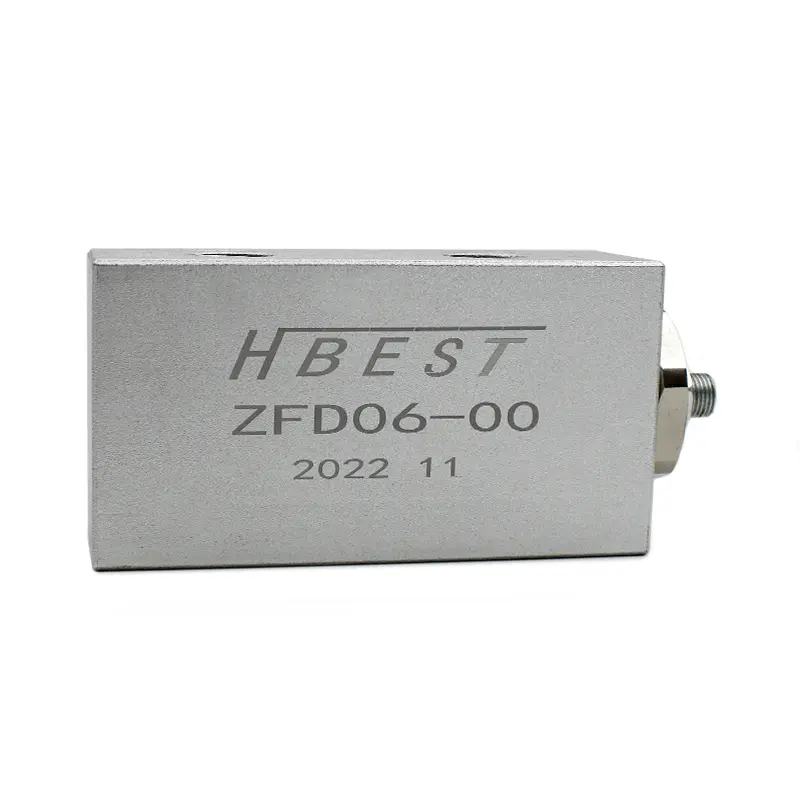
You might look at a massive block of machined metal with a 10 port setup and wonder if it is entirely too much for your current project. For a simple agricultural tractor pulling a plow, yes, it is massive overkill and a waste of money. But for a massive tunnel-boring machine or an automated factory press, it is exactly what you need to succeed. Each unique connection runs a completely different critical tool.
You must expertly match the complexity of the component to the exact job at hand. Don’t buy a massive, complicated unit if a simple, streamlined one will do the job perfectly well. Streamlining your buying decisions keeps your procurement budget healthy and ensures your final product remains competitively priced in the global market.
How does a gear type divider manage flow splitting?
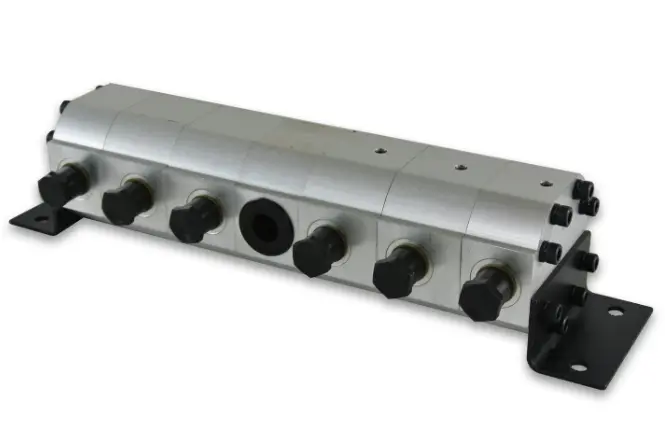
There are a few different mechanical ways to split liquid energy. A gear type divider uses perfectly machined, physical spinning cogs inside a solid body. As pressurized liquid enters the block, it physically forces these cogs to turn. Because the cogs are rigidly connected by a solid steel shaft, they are forced to turn at the exact same rotational speed, no matter what.
This brilliant mechanical link forces an absolutely equal amount of liquid out of each side, regardless of whether one side is lifting a heavy weight and the other side is lifting nothing. It is a highly efficient, bulletproof way to manage fluid distribution across varying loads. You get a full division of power without ever relying on tiny, easily clogged restrictor holes that plague cheaper designs.
What role does a combiner play in protecting peak capacity?
So far, we have talked extensively about splitting power apart. But what about bringing it all back together to return to the tank? A combiner does the exact opposite of a splitting block. It takes liquid from 6 different returning lines and merges them smoothly back into one large return line.
If you don’t combine the returning liquid properly, the streams violently crash into each other, creating massive amounts of heat and foamy turbulence. You must meticulously maintain a minimum flow rate to keep the lines cool and efficient. When done correctly, the merged liquid hits the maximum flow target perfectly, returning to the reservoir quietly and ready to be pumped again.
How to select the best part for a hydraulic network?
Wrapping this all up requires looking at the big picture of your manufacturing goals. You have to deeply consider your range of operations before buying anything. Will the machine run in freezing Alaskan snow or blistering Australian desert heat? You need to select a unit that fits those brutal environmental extremes without skipping a beat.
For highly advanced setups, sometimes you need to completely change the direction of the liquid on the fly. In these complex cases, directional switching blocks are absolutely brilliant. Take a look at these 6 Ways Diverter Valves to see how you can switch fluid-power paths easily and safely, giving your operators ultimate control over their heavy equipment.