Hydraulic Pilot Check Valve Mastery: How Does a Pilot-Operated Check Valve Work in a Hydraulic System?
2026-03-17Have you ever wondered how heavy machinery holds tons of weight securely in mid-air without slipping? A hydraulic system handles this massive job, but it relies on small, clever parts to stay safe. A pilot-operated check valve is the hero here. This guide will explore exactly how these critical pieces function. It is worth reading because understanding how your equipment controls fluid flow helps you prevent costly delays, improve safety, and choose the best parts for your business needs.
What Is a Hydraulic Pilot Check Valve and How Does This Valve Work?
A hydraulic pilot check valve is an ingenious tool designed to control liquids under high stress. In simple terms, it lets liquid move easily one way, but it stops it from going backward—unless you give it a special command. But how does this valve work exactly in real life?
Normally, when you look at how a basic check valve work, it only allows flow in one direction. It is like a one-way street on a busy road. Cars can go down, but they cannot back up. However, sometimes machinery needs to back up safely. A pilot check adds a secret "unlock" feature to that street. When a separate hydraulic signal arrives at the valve, the unit opens up and lets the liquid return securely.
This feature provides precise control over heavy loads. When you need to move a heavy arm on an excavator, you want it to stay securely locked when you let go of the controls. The valve closed tightly makes sure the load stays put. It acts as a safety lock within a hydraulic system. If a hose suddenly breaks, this valve ensures the giant steel arm does not crash to the ground.
How Does a Standard Check Valve Differ from a Pilot Operated Check Valve?
Let’s compare them side by side. A standard check valve is very basic and fully automatic. It simply uses a spring and a small blocker to allow fluid to flow forward and block reverse flow completely. You cannot override it. If fluid tries to go backward, the valve simply shuts harder against its seat.
On the other hand, a pilot operated check valve is much smarter. A check valve allows free flow forward just like the regular one. But it has an extra port called a pilot port. When fluid pressure pushes into this port, it physically forces the internal parts to move, opening the valve backwards.
So, a regular check is fully automatic based on the main fluid. But a pilot operated check gives the machine operator the power to open the valve precisely when needed. This is highly useful when a single valve needs to perform two jobs safely. You get the leak-free holding power of a check valve, plus the ability to release that hold smoothly.
What Is the Working Principle of a Pilot-Operated Check Valve?
To grasp the working principle of a pilot-operated mechanism, imagine a heavy door with a strong spring keeping it shut. The main working principle relies on three simple parts: a poppet, a valve seat, and a spring force.
Fluid enters the main port and pushes the poppet off the valve seat against the spring force. This creates free flow in one direction. Once the pump stops pushing fluid, the strong spring pushes the poppet back down into the valve seat. It closes the valve tight. No liquid can leak back. The load is locked.
When it is time to lower the heavy load, pressure at the pilot port enters the picture. This pilot supply acts on the pilot piston inside the valve body. The piston then pushes the poppet open from the other side. This opens the valve and allows reverse flow to happen smoothly. It is a brilliant, mechanical way to ensure safety.
How Does the Pilot Signal Control Valve Operation in a Hydraulic Circuit?
A hydraulic circuit is like a map of pipes and hoses. In this map, a pilot signal acts as a fast messenger. When the operator shifts a lever on a tractor, it sends a pilot pressure signal down a small pilot line.
This signal travels fast and reaches the valve’s pilot section. It pushes hard against the pilot piston. If there is enough pressure, the piston moves forward and strikes the poppet to open the check. This precise control of fluid flow dictates the entire valve operation.
Without this active signal, the valve would stay firmly shut forever. The system depends on this pilot signal to know exactly when it is safe to release a locked load. That is how a control valve keeps heavy machines from making dangerous, sudden drops. The fluid pressure tells the parts exactly when to move.
What Are the Main Valve Types Used in Hydraulic Machinery?
There are many exciting valve types out there. The valves used in hydraulic machines range from simple on/off switches to highly complex devices. A standard directional control valve tells the fluid which path to take, acting like a traffic cop.
Meanwhile, a hydraulic valve might control pressure, flow rate, or direction. For holding heavy things in place, check valves are available in many different styles. You might use one valve to simply stop backflow, and another to carefully regulate speed.
Every single hydraulic system requires the right valve to function correctly. Picking the wrong type can lead to instant system failure. Manufacturers rely on robust materials to build these components so they can easily handle extreme stress day in and day out.
How Do Modern Hydraulic Systems Benefit from Pilot Control?
Modern hydraulic systems move incredibly heavy things very fast. Because of this extreme power, they need pilot control. This setup uses a small amount of fluid energy to control a massive amount of lifting power.
High-performance hydraulic systems depend on this setup for long-term reliability. Imagine trying to steer a massive cargo ship just by turning a giant wooden wheel by hand—you need power steering! Pilot control is exactly like power steering for high-pressure fluids. It allows giant machines to be operated with small, easy-to-move levers.
It also ensures the valve reacts smoothly rather than jerking violently. A sudden drop in a massive load is incredibly dangerous for workers. By using pilot systems, the machinery works quietly, smoothly, and safely.
What Is the Application of Pilot Check Valves in a Cylinder?
The primary application of pilot technology is holding a load in position. Think about a big hydraulic cylinder lifting a car at a mechanic’s shop. You want to make absolutely sure it never drops by accident and crushes someone.
The pilot-operated check valve bolts right onto the hydraulic cylinder. As fluid pumps in, the cylinder rises up. When the pump stops, the valve provides an instant, leak-free lock. This crucial action is called load holding.
When the mechanic is ready to lower the car, the directional valve sends a tiny signal. This pilot pressure opens the valve, and the cylinder lowers smoothly to the ground. You see this exact setup constantly in things like construction cranes, warehouse forklifts, and large hydraulic presses.
When Should You Choose a Counterbalance Valve Instead of a Pilot-Operated Check Valve?
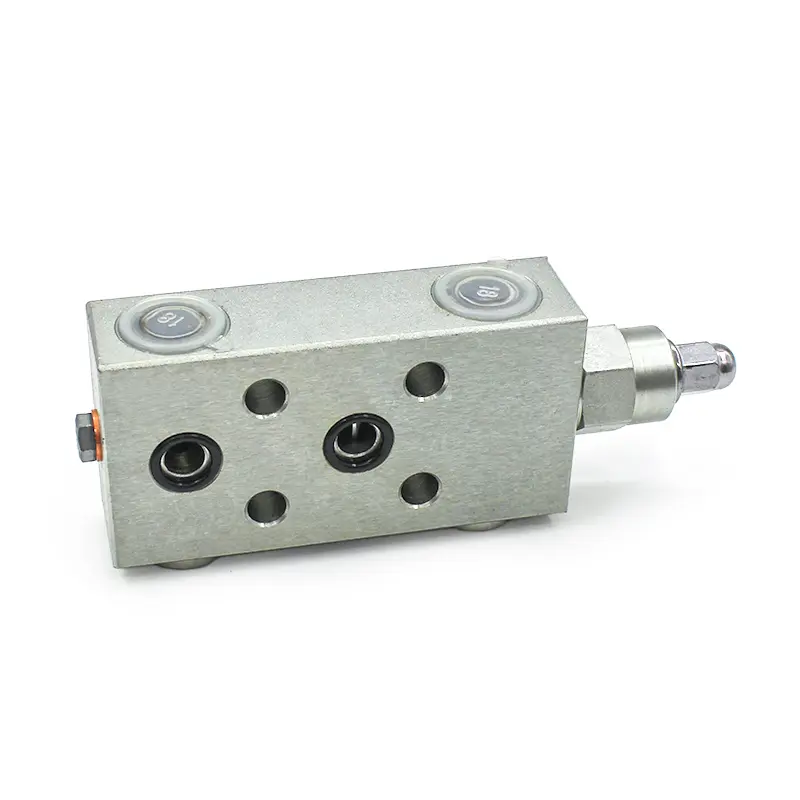
Sometimes a pilot-operated check valve is actually not the right choice for your machine. If a heavy load tries to run away or fall faster than the pump can supply fluid, you desperately need a counterbalance valve.
A pilot operated check is basically a simple on/off switch. It opens fully the second the signal arrives. A counterbalance valve, however, provides active, continuous load control. It slowly opens and closes based on the actual load pressure and the available pilot pressure.
If you are lifting a simple load that just needs firm locking, a check valve is perfect. But for things like a tall winch lowering a heavy steel beam, a counterbalance valve prevents the load from dropping too quickly and breaking the cable. You can explore a single in line counterbalance valve for smooth load control to see how they differ in design.
What Are the Types of Pilot Operated Check Valve Designs?
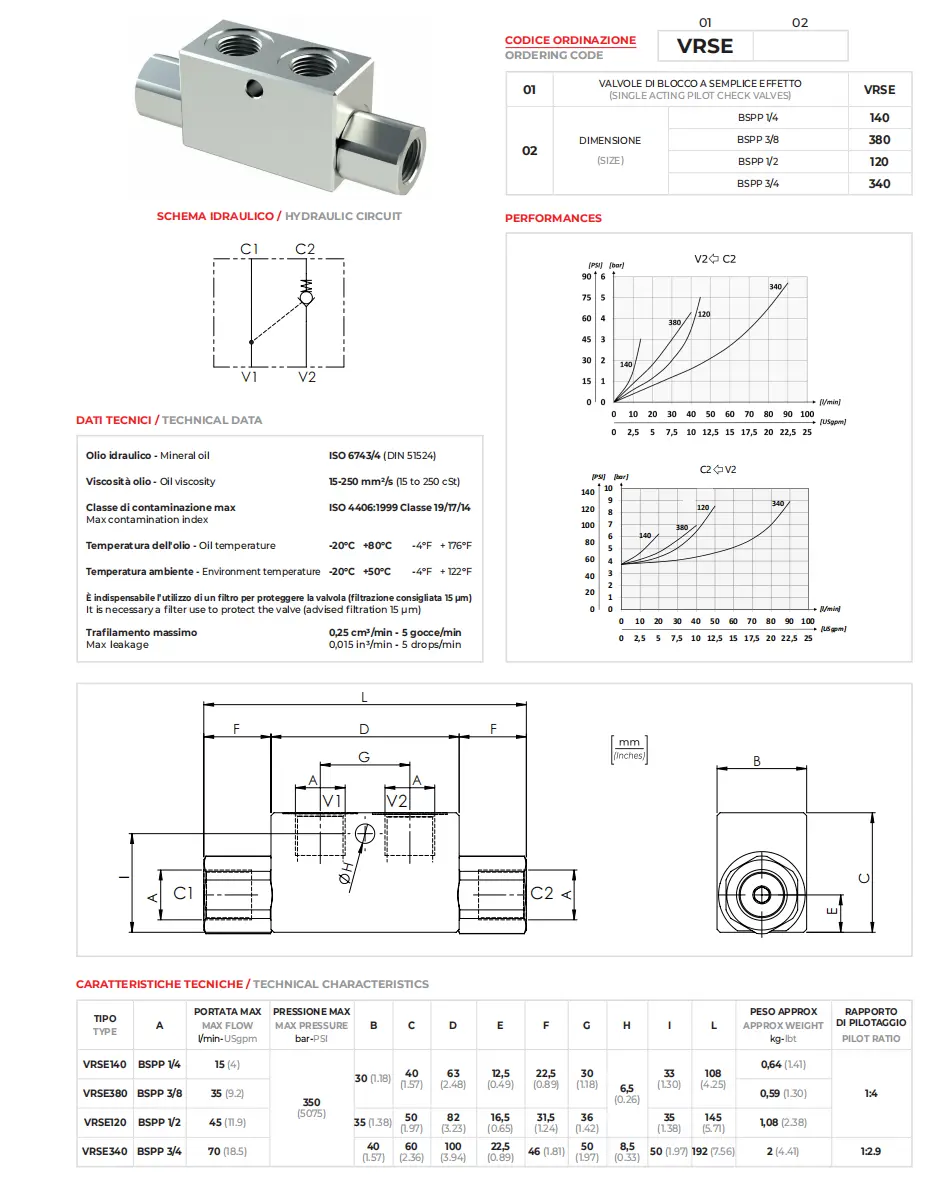
Brilliant engineers have created several types of pilot operated designs over the decades. Some are very simple, meant only for light duties. Others use a very special mathematical formula called a "pilot ratio." This pilot ratio compares the main system pressure to the pilot pressure.
A high ratio means less pilot pressure is needed to open the valve easily. A low ratio means higher pilot pressure is required to force it open. This ratio is vital because it totally determines how smoothly the valve operates under a heavy load.
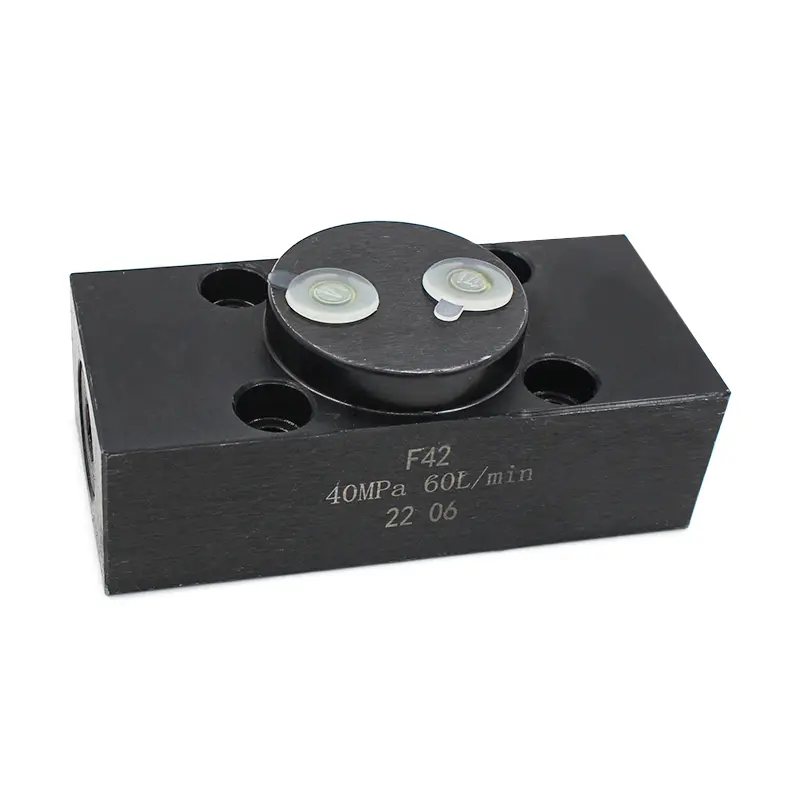
You can also find single and double designs. A double pilot valve locks a moving cylinder securely in both directions. You can easilyensure precise control with double pilot operated check valves for complex factory tasks. Additionally, you might look at a high-performance F42 dual pilot operating check valve for specific, demanding industrial needs.
How to Master the Principle of a Pilot-Operated Check Valve in Your System?
To master the principle of a pilot-operated check in your machinery, you must completely understand the role of pilot pressure. If a valve will not open when you pull the lever, check the pressure drop across the valve. Often, the pilot pressure is applied, but the system flow is too weak to push the internal piston.
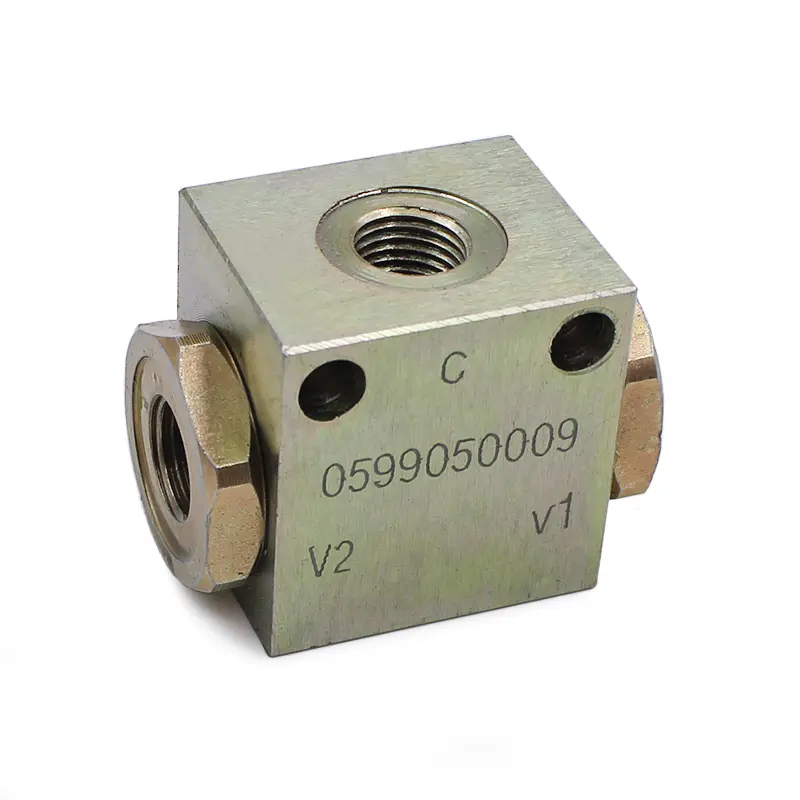
Another highly common issue is trapped pressure. If fluid pressure is trapped behind the cylinder, the valve ensures everything stays locked tightly. You cannot force it open safely. You might need to add a pressure relieving modular valve to bleed off that extra force safely without breaking lines.
Understanding the true function of the pilot-operated check will save your factory massive headaches. Remember, this valve can be used to keep your workers completely safe and your machines running without unexpected downtime. Hydraulic pressure is immensely powerful, but with the right components on your side, you can tame it easily.
Key Things to Remember
Let’s sum it all up quickly so you can make smart buying choices for your business:
- Locking Power: A pilot-operated check valve is absolutely perfect for leak-free load holding in a cylinder. It stops loads from dropping.
- Smart Control: Unlike a standard check valve, it brilliantly allows fluid to flow in reverse when it receives a proper pilot signal.
- Safety First: It ensures the valve stays securely locked if the whole system unexpectedly loses power, preventing dangerous drops.
- Know the Difference: Use a counterbalance valve for moving loads that might run away fast, and use a pilot check for simple, static holding.
- Pressure is Key: The valve operates perfectly only if the specific pilot ratio and pilot supply properly match your system’s pressure demands.
- Fluid Flow: It grants operators precise control over fluid to flow, making heavy machinery feel smooth and easy to drive.